Walking across a street without painted lines or traffic signals might seem risky, but Ohio law provides clear protections for pedestrians at unmarked crosswalks. Understanding these rules helps both drivers and pedestrians stay safe and know their legal rights after an accident.
What Defines An Unmarked Crosswalk
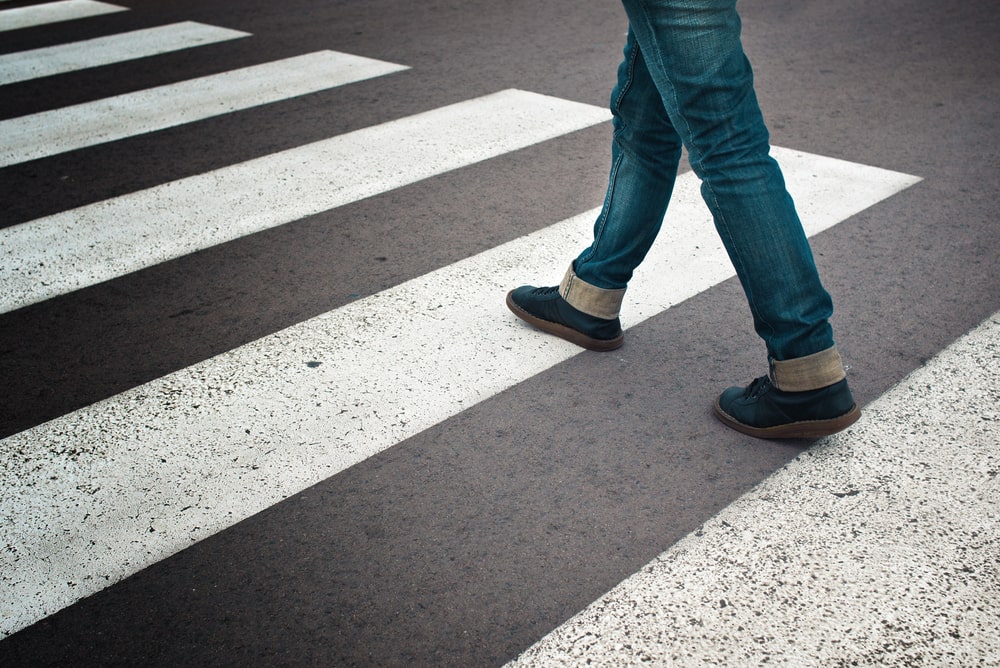
An unmarked crosswalk exists at every intersection where sidewalks meet, even without painted lines. The crosswalk extends from one corner to the opposite corner, creating an invisible pathway that pedestrians can legally use. This applies to residential neighborhoods, business districts, and anywhere two roads meet. Ohio Revised Code Section 4511.01 establishes this definition. The law recognizes that pedestrians need safe passage at intersections regardless of whether cities have added visible markings.
When Pedestrians Have The Right Of Way
Pedestrians stepping into an unmarked crosswalk at an intersection generally have the right of way over vehicles. Drivers approaching the intersection must yield when someone begins crossing or clearly intends to cross. This protection applies whether the pedestrian crosses parallel to traffic or moves through the intersection. The law does require pedestrians to act reasonably. They cannot suddenly leave a curb and walk into the path of a vehicle too close to stop safely. A Youngstown pedestrian accident lawyer can help determine fault when questions arise about whether a pedestrian or driver violated traffic laws.
Driver Responsibilities At Intersections
Ohio law places specific duties on drivers approaching intersections where pedestrians might cross:
- Slow down when approaching intersections with pedestrian activity
- Watch for people waiting at corners or stepping off curbs
- Yield to pedestrians already in the crosswalk
- Stop completely before turning if pedestrians are crossing
Drivers who fail to yield often face citations for failure to yield to a pedestrian, which carries fines and points on their license. More importantly, these violations frequently cause serious injuries when vehicles strike people on foot.
Midblock Crossings And Exceptions
The right-of-way rules change when pedestrians cross between intersections. At these midblock locations without marked crosswalks, vehicles have the right of way. Pedestrians must yield to traffic in these situations. However, drivers still cannot deliberately strike pedestrians, even when the person on foot violates traffic laws. Both parties share responsibility for preventing accidents, though the degree of fault may shift based on specific circumstances.
Common Accident Scenarios
Unmarked crosswalk accidents often happen when drivers make right turns at intersections. The turning driver focuses on oncoming traffic and misses pedestrians crossing from the right. Left turns create similar dangers when drivers rush to complete their turns before opposing traffic arrives. Backing vehicles in parking lots and residential areas also strike pedestrians at unmarked crosswalks. Drivers exiting driveways may not see someone walking along the sidewalk before pulling into the street. Weather conditions, poor lighting, and distracted driving all increase accident risks at locations without marked crosswalks. These factors make it harder for drivers to see pedestrians and harder for those on foot to judge vehicle speeds and distances.
Building Your Injury Claim
Pedestrians injured at unmarked crosswalks need documentation showing they had the right of way and the driver failed to yield properly. Police reports, witness statements, and traffic camera footage help establish what happened. Medical records connect the collision to specific injuries and treatment costs. Joseph Law Group, LLC handles cases where insurance companies dispute fault or minimize the severity of pedestrian injuries. These claims require detailed evidence about traffic laws, accident reconstruction, and the long-term impact of injuries like traumatic brain injuries or broken bones.
Protecting Your Rights After An Accident
Pedestrians struck at unmarked crosswalks face medical bills, lost wages, and recovery periods that disrupt their lives. Ohio’s comparative negligence laws allow injured pedestrians to recover compensation even if they share some fault, as long as their responsibility stays below 51 percent. If you suffered injuries while crossing at an unmarked intersection, a Youngstown pedestrian accident lawyer can review how traffic laws apply to your situation. Understanding your legal rights helps you make informed decisions about pursuing compensation for your injuries and losses.