
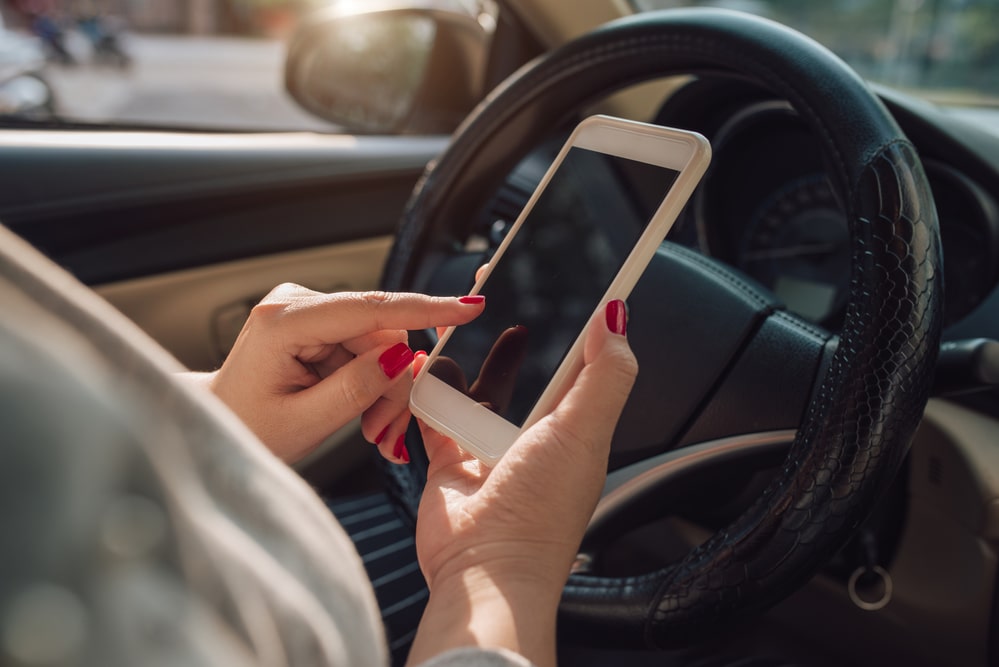
Rideshare services have become a routine part of transportation in many communities. With that convenience comes a set of questions that may not arise in an ordinary two-car accident.
A rideshare collision can involve the driver’s personal insurance, insurance connected to the rideshare company, another driver’s insurance, passengers, pedestrians, or several parties at once.
Because insurance and rideshare laws vary widely by jurisdiction, the exact rules depend on where the accident occurs. Still, several practical steps are useful in most situations. A lyft accident lawyer can help injured passengers, drivers, pedestrians, and others involved in a rideshare collision understand their insurance coverage and legal options.
Our friends at Isaacson, Schiowitz & Korson, LLP offer the following general guidance for people involved in rideshare accidents.
Treat the Accident Like Any Other Collision
The presence of a rideshare vehicle does not change the immediate priorities.
Safety comes first. Injured people should seek appropriate medical care, and emergency services should be contacted when necessary.
If possible, everyone involved should move out of active traffic and avoid creating a second hazard.
Identify All Vehicles and Drivers
It is important to obtain information from every driver involved.
This generally includes names, contact information, driver’s license details, license plate numbers, and insurance information.
Passengers should also record the rideshare driver’s name and vehicle information shown in the app.
A screenshot of the trip details may be useful because the information may be harder to locate later.
Preserve App Information
Rideshare apps can contain important information about the trip.
Useful details may include the driver’s identity, pickup location, destination, route, time of the trip, fare information, and vehicle description.
Passengers should consider taking screenshots before the trip disappears from the most visible part of the app.
Do not rely solely on the company to preserve information indefinitely.
Determine the Driver’s Status
Rideshare insurance issues may depend on what the driver was doing at the time of the collision.
A driver may be completely offline, logged into an app and waiting for a request, traveling to pick up a passenger, or actively transporting a passenger.
These different situations may affect which insurance policies apply.
The precise coverage structure varies by company, policy, and jurisdiction.
Report the Accident
The accident should generally be reported to the appropriate authorities and insurance carriers.
Passengers may also be able to report the incident through the rideshare company’s app or customer support system.
An official report may preserve names, vehicle information, location, and initial accounts of what occurred.
Photograph the Scene
Photographs can help establish the location, vehicle positions, damage, road conditions, traffic controls, and other details.
Passengers should not assume the drivers will take all necessary photographs.
If it is safe to do so, take pictures from several angles.
Screenshots showing the rideshare trip can supplement physical photographs of the scene.
Identify Witnesses
A rideshare passenger may be an important witness to the collision, but other independent witnesses can also help.
People nearby may have observed traffic signals, turning movements, speed, or the sequence of impacts.
Obtain contact information before witnesses leave the area if possible.
Be Careful With Recorded Statements
Insurance companies may contact drivers and passengers soon after the accident.
People should answer factual questions accurately but avoid guessing about details they do not know.
A person who was looking at a phone or speaking with someone immediately before impact may not know exactly how the crash occurred.
Accuracy is more helpful than trying to fill in missing details.
Multiple Insurance Companies May Be Involved
Rideshare accidents can involve several layers of insurance.
The rideshare driver may have personal automobile insurance. The rideshare company may provide coverage in certain circumstances. Other drivers may have their own policies.
Determining which coverage applies can take time, particularly when the driver’s status is disputed.
Keep Medical and Expense Records
Passengers injured in a rideshare crash should keep records of medical treatment, prescriptions, transportation costs, employment effects, and other accident-related information.
Documentation makes it easier to understand the full impact of the accident over time.
The Bottom Line
Rideshare accidents can be more complicated than ordinary vehicle collisions because several insurance policies and parties may be involved.
The most useful immediate steps are straightforward: address medical needs, gather driver information, preserve app details, photograph the scene, identify witnesses, and report the accident.
The legal and insurance rules governing rideshare claims vary across the country, so the specific options available will depend on the jurisdiction and the insurance policies involved.