
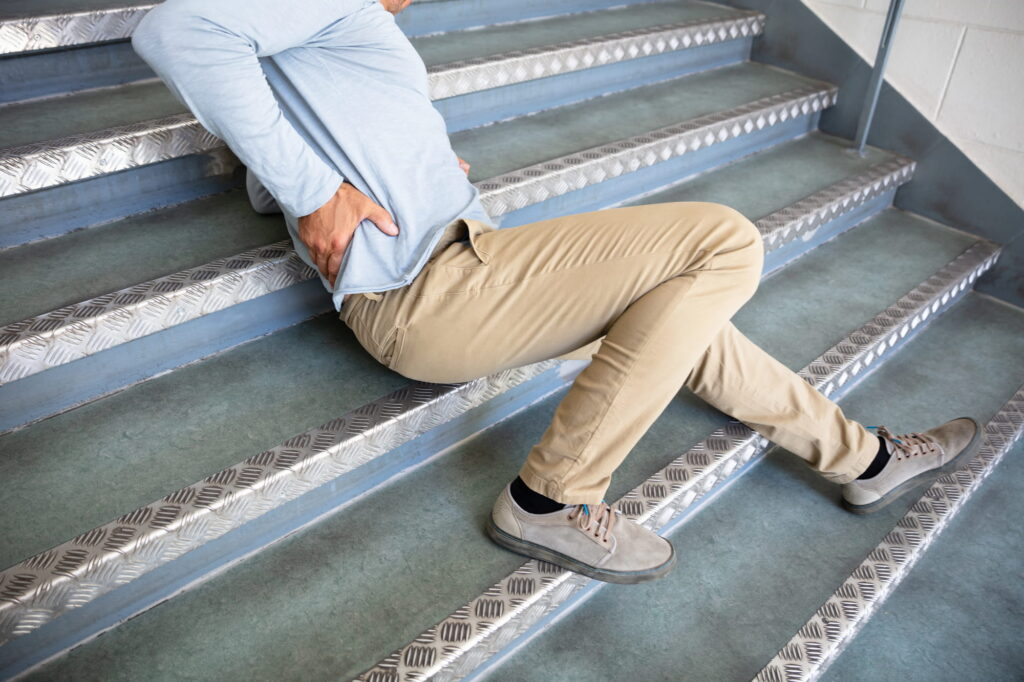
A slip and fall happens in an instant. One second you are walking, and the next, you are on the ground, in pain, and disoriented. However, it is a common misconception that simply getting injured on someone else’s property automatically makes them legally responsible. To prove they are liable, you must be able to show that the property owner knew, or should have known, about the dangerous condition and failed to fix it. However, documenting the scene and circumstances of the fall are of paramount importance in order to pursue any claim for damages.
While your immediate priority should always be your health, what you do in the minutes following the fall can make or break a future personal injury claim. Property owners act quickly to clean up hazards. To protect your rights and ensure you are compensated for your medical bills, you need to document the scene before the evidence disappears. Because critical evidence can disappear quickly after a slip and fall accident, a personal injury lawyer can help injured individuals preserve evidence, establish liability, and pursue compensation for the losses resulting from their injuries. An attorney assists injury victims with pursuing claims against negligent property owners, helping preserve important evidence, communicate with insurance companies, and seek compensation while clients focus on their recovery.
In this blog, our friends at The Gordon Law Firm list exactly what you should do to protect your claim.
1. Capture the Scene Before It Changes
Your smartphone is your most valuable piece of evidence. Hazards like spilled liquids, melted ice, or misplaced floor mats are often cleaned up by staff within minutes of an accident. If you are physically able, take photos and videos immediately.
- Close-ups: Photograph the exact cause of your fall: the puddle, the torn carpet, the icy patch, or the uneven concrete.
- Wide shots: Show the general area to capture the lighting conditions and, crucially, the lack of warning signs (like “Wet Floor” cones).
- Your injuries: Take pictures of any visible cuts, swelling, or torn clothing.
2. Report the Incident Immediately
Do not simply brush yourself off and leave out of embarrassment. Notify the store manager, property owner, or landlord right away.
Ask them to file an official incident report and request a copy for your records. Crucial tip: Stick strictly to the facts. Say exactly what happened (“I slipped on a puddle of water”), but do not apologize or say something such as “I’m so clumsy,” or minimize your injuries in any way.
3. Gather Witness Information
Did anyone see you fall? Did a bystander mention they almost slipped in the exact same spot five minutes earlier?
Ask witnesses for their names, phone numbers, and email addresses. Independent witness testimony is incredibly powerful when an insurance company tries to claim you weren’t paying attention.
Find out if there were any cameras that may have captured your fall and who owns those cameras.
4. Preserve Your Physical Evidence
The clothing and shoes you were wearing are physical evidence. When you get home, place your shoes and unwashed clothes in a safe place. The property owner’s insurance company may try to blame your fall on “improper footwear” (like worn-out treads). Having the actual shoes you wore will easily disprove this defense.
5. Seek Medical Attention
Even if you feel “fine” due to the adrenaline of the fall, see a doctor or visit urgent care as soon as possible.
Injuries like concussions, whiplash, or soft-tissue damage often take days to fully manifest. A prompt medical evaluation creates an official medical record that links your injuries directly to the timeline of the fall. Without this immediate record, the insurance company will argue your injuries were caused by something else.
Protecting Your Recovery
Documenting the scene gives you the leverage needed to hold negligent property owners accountable. If you have been injured, focus on your physical recovery and consider letting an experienced personal injury attorney handle the insurance adjusters.